Weil-McLain Service & Support
Support built for boiler replacement teams: replacement mapping, startup records, combustion setup, parts identification, and hydronic retrofit reviews.
Support built for boiler replacement teams: replacement mapping, startup records, combustion setup, parts identification, and hydronic retrofit reviews.
Everything is organized to reduce decision time before shutdown and confusion during startup.
We review actual thermal output, design pressure, venting constraints, and fuel strategy before a replacement model is recommended.
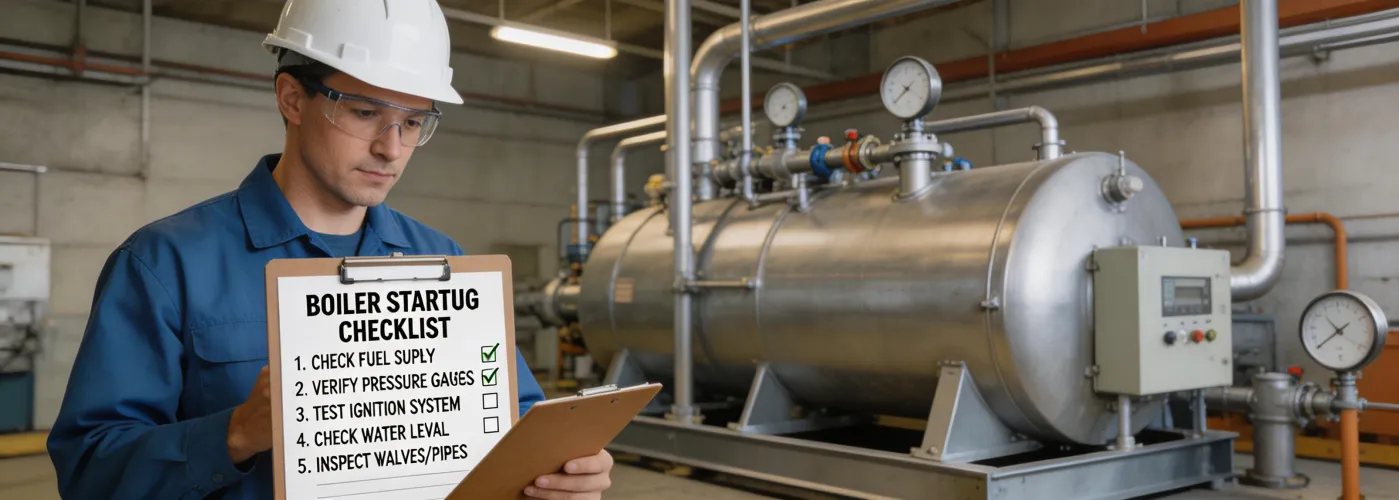
Document O2, CO, CO2, draft, and lockout checks during startup so future service work is tied to real commissioning data.
We collect the model-specific manuals, wiring notes, and review comments needed for contractor submittals and owner turnover packages.
We check domestic hot water recovery, tank control logic, and priority sequencing when boilers are paired with indirect storage.
Field crews can request help identifying sensors, igniters, gas valves, flame safeguards, and heat exchanger service items before site shutdown.
Operations teams receive maintenance checklists, startup record templates, and support guidance aligned with ASME and NFPA expectations.
A documented process keeps everyone aligned before the boiler room goes offline.
We start with model photos, load notes, fuel type, control details, and known issues such as lockouts, leaks, or high return-water temperature.
Design pressure, thermal output, vent path, condensate handling, and indirect water heating scope are checked before a recommendation is issued.
The team receives the relevant manuals, startup forms, parts notes, and submittal comments in one package instead of piecemeal follow-up.
Combustion tuning and interlock checks are documented with readings that can be referenced during future service calls.
Owners and service teams leave with a package of startup data, parts references, and key operating notes instead of a generic turnover binder.
Our documentation process is designed to make the next service event easier, not just to close the startup file.
For standard support requests, we aim to return the core manuals, startup forms, parts references, and replacement notes within 48 business hours so field teams can keep the project moving.
Send us the boiler model, fuel, and application. We will help you identify the checks and documents to line up before work starts.
Talk to Our Engineers